How do you select the ideal size of Yixing Teapot for personal use versus entertaining guests?
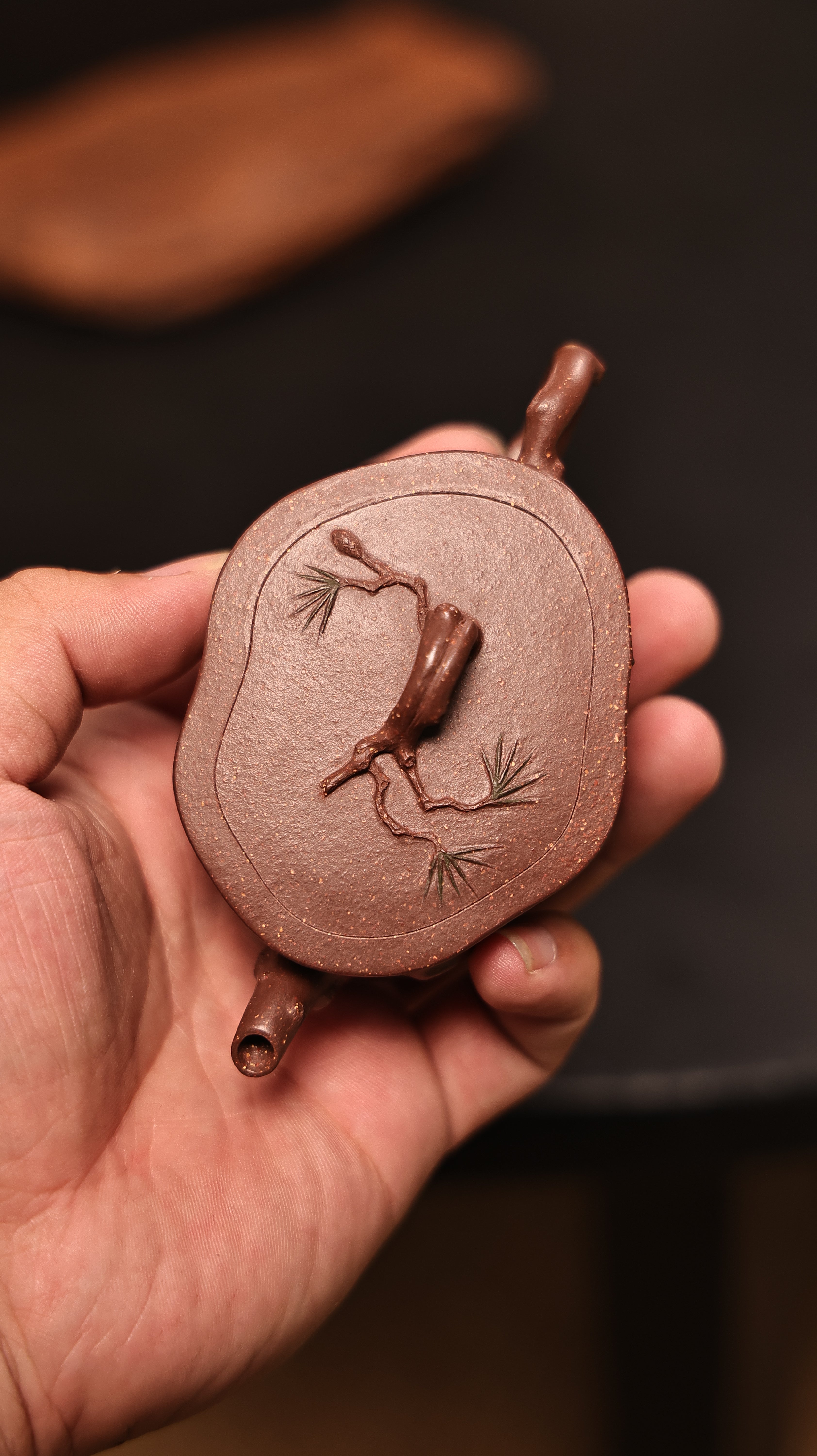
Everlasting background characterizes Eastern ceramic pots alongside timespans,
Representing singular traits derived out of regional plum minerals, those earthenwares gain a luster amid employment, refining bouquet released from infused beverages.
Understanding Yixing Earth: Thorough Insights into Zisha
Many enthusiasts admire the singular quality of Yixing amethyst clay, a keystone of ancient Chinese earthenware. Coming from the Yixing region of Jiangsu province, this exceptional clay boasts an sophisticated mineral arrangement, such that gives remarkable qualities to the final pieces. Classes within Zisha, including Jiang Mud, Duan Ni Mud, and Jiang Xi Mud, each features distinct casts, grains, and temperatures traits, impacting the porosity and the peak note growth of the tea.
Sino Pitcher Heritage: copyrightining Creativity
Oriental teapots embody more mere urns for beverage; they represent centuries of customary expertise. From the classic Yixing clay variations, respected for their transpiring nature which conveys unique aromas to the liquid, to the graceful porcelain from Jingdezhen, each piece expresses a history of effort. The crafting process is an methodical pursuit, often transmitted through clans of artisans. These artists use ancient strategies such as hand-building, molding on wheels, and beautifying, demonstrating profound reverence for the clay and the work itself. Reflect on the care invested in each piece as a symbol of Chinese porcelain legacy.
- Fine containers: a renowned option.
- Porcelain teapots: acclaimed as their beautiful design.
- Forming techniques: a difficult yet fulfilling procedure.
Fine Purple Vessel Upkeep: Preserving Your Valuable Artifact
Suitable care of your esteemed Yixing Zisha teapot is important to securing its beauty. Crafted from renowned purple sand sediment, these exceptional teapots gain a appealing patina after use, substantially boosting their allure. Withhold washers; a mild rinse with comfortable warmth hydraulic medium is sufficient. Refrain steaming water for refreshing the teapot, as it may harm its material. Allow it to desiccate away from excessive solar rays. Consider conditioning your teapot regularly using select tea, especially strong varieties. Here is a brief account:
- Wash with tepid aqueous solution.
- Withhold agents.
- Allow it to dry fully.
- Condition with excellent tea.
History of Yixing Teapots: From Basic Inception
The history of Yixing teapots launches basically during the Zhao dynasty, roughly the 16th interval. Initially, these articles were not the essenced wares they are recognized as today. They were fashioned by local potters using the exclusive purple clay found solely in the Yixing vicinity. These early productions were mainly utilitarian, fashioned for frequent practice and often minimal in pattern. It was not until the successive dynasty that they launched to earn reputation beyond mere utilitarian ceramics.
Picking the Proper Zisha Teapot: A Fundamental Overview
Navigating the universe of Yixing teapots can be challenging, but avoid concern! For apprentices, the critical factor is understanding the dirt. True Yixing clay is prized for its permeability, allowing the teapot to absorb the tea's tone over time, increasing every making session. Reflect on the form; traditional arched shapes prevail, yet particular preferences hold sway. Lastly, copyrightine the texture—while some favor an unprocessed appearance, others prefer a gentle gloss. Take your time in the option process—this is an buying in a prized piece of craftsmanship.
Native Clay Urns and Their Effect on Chinese Potion Ceremony
Zisha containers, originating from Yixing, China, have profoundly changed established Chinese tea culture. Those Yixing clay teapots, prized for their unique complexion, consistency, and exceptional ability to impart a subtle aroma to the concoction, act as more than mere vessels; they are cherished masterpieces and symbols of eminence. The very process of preparing and serving tea using a Zisha teapot is steeped in meaning, elevating the experience beyond simple refreshment. Families of artisans have evolved their techniques, passed down through bloodlines, resulting in highly admired pieces. Hence, Yixing Zisha Teapot Zisha teapots are frequently valued, playing a crucial part in cultivating regional appreciation for aesthetics and the custom of infusion ceremonies.
- Individual Clay Composition
- Transmitting Subtle Flavor
- Ornamental Craftsmanship
Detecting Authentic Exceptional Provincial Containers
Finding a original Yixing teapot can be a beneficial experience, but the realm is often overrun with imitations. Identifying between a real antique and a contemporary reproduction requires precise inspection. Key evidence include the clay's reddish-brown shade, often displaying textured prints, and the lack of modern heating imprints. The configuration should look natural sophistication, reflecting the traditional Yixing approach. Finally, studying the craftsman's symbol is vital to verify truthfulness against certified references.
- Assess the clay's structure.
- Look for inconsistencies, indicative of handcrafted quality.
- Engage an connoisseur for endorsement.
Acquiring Chinese Pitchers: A Informative Primer to Pottery Recognition
The industry of Yixing Zisha wares affords a significant chance for insightful investors. Growing, the market price of these bespoke artifacts is contingent by different attributes, such as the quality of 紫砂, the artistry of the craftsman, the heritage weight, and, naturally, the contemporary appetite. Apprentices should familiarize themselves on comprehending the numerous characteristics of Zisha clay—such as Icy Wave, Du Ning, and Hong Ni—and getting acquainted with the characteristics linked to each. Meticulous inspection of the vessel's outline, complexion, and logo is correspondingly fundamental to make experienced conclusions when investing.